


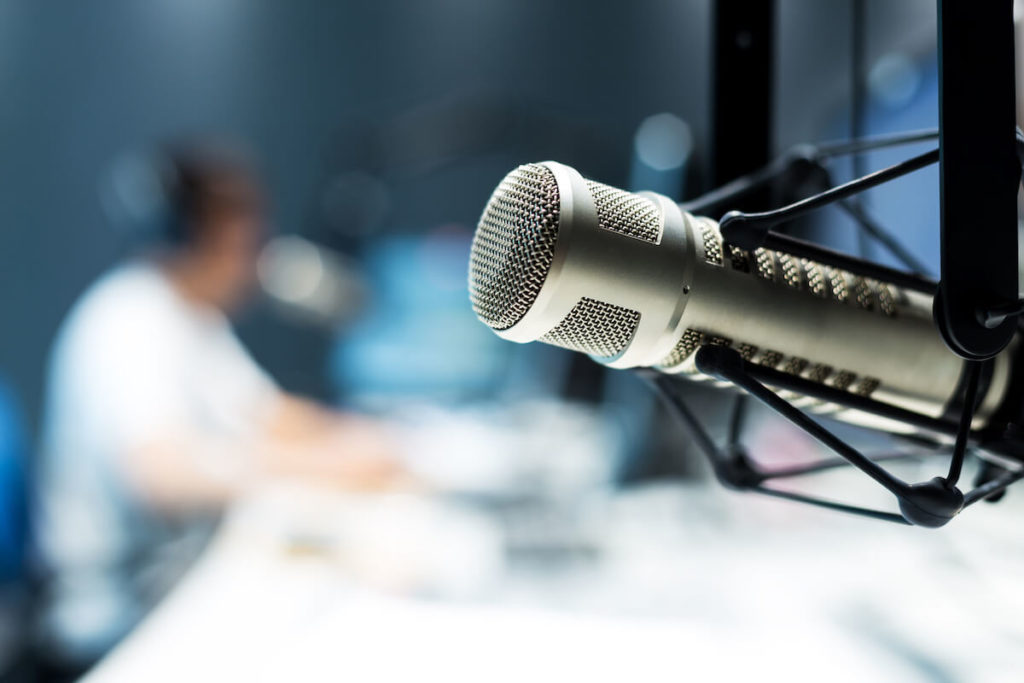
In today’s digitally-first society, radio is still one of the most effective ways to reach people. To reach local listeners, increase brand awareness, and market products and services, businesses still employ radio advertising sales. Every day, radio stations depend on station sales and advertising to remain open. Additionally, they allow stations to think of new ways to interact with their communities and generate fresh ideas. By using the appropriate tools and methods, stations may increase sales and create enduring connections with ad advertisers.
The most important ad objective for any broadcaster is to increase station revenue. Having devoted following and top-notch content is important since in the end, successful sales methods are what make money. There are a lot of tried-and-true ways to make more money, like merging digital and on-air promos, offering customized advertising packages, and using audience data to tailor campaigns. Because many local businesses like to advertise on stations that rapidly reach their market, working with small and medium-sized stations can result in multiple revenue sources.
Technology has altered the way that stations manage their advertising. Radio sales software is essential for contemporary broadcasters. It makes tasks like customer management, performance reporting, and marketing tracking simple. Instead of using spreadsheets and papers, salespeople can now use software platforms to automate procedures, monitor ad placements, and provide clients with real-time information.
For a strong sales funnel, effective radio lead generation is important. Actively targeting potential customers who are most likely to purchase ad space is essential for stations. There are several ways to create leads, including networking at local events, using social media to draw in businesses, and using ad databases to target specific industries. Businesses may be strongly encouraged to invest if stations match reach efforts to viewer demographics.
Last but not least, advertisements for stations using 24/7 radio formats are more likely to attract advertisers. Thanks to programming that is available day and night, listeners may tune in whenever they choose, whether it’s during their weekend leisure, late-night shift, or morning commute. This consistent availability maximizes brand exposure and generates a variety of advertising slots. Additionally, by offering specialized 24/7 formats like discussion radio, music genres, or news channels, stations can reach specific markets, providing advertisers with access to highly engaged listeners.
The future of radio advertising depends on striking a balance between the traditional and the modern. Stations may always make more money by concentrating on local ad generation, using contemporary methods for ad generation, and radio advertising sales. With the help of dynamic 24/7 radio advertisements, broadcasters might become more important members of their communities and make more money. Learn the full story here.